
The word discipline conjures up many emotions. For some, it is a negative word denoting punishment or strictness. For others it seems stark and foreboding, like being stuck in a hard, joyless routine. However, discipline is also a positive force and something that everyone needs to succeed.
 In his blog, Brian Knight of the company Focus 3, breaks down the origins of the word:
“The word “disciple” comes from the Latin word discipulus meaning “student”. Most people believe a disciple is a follower, probably because of the religious context, but in reality it means student. A disciple is (and I’ll make up a word here) a *studier*.
The word “discipline” is from the Latin word disciplina meaning “instruction and training”. It’s derived from the root word discere — “to learn.”
So what is discipline? Discipline is to study, learn, train, and apply a system of standards.”
For Brian, having discipline means having more choice, control, and better options in your life. To learn more, read his blog entry on the Focus 3 web site.
 It would be nice if productivity and efficiency practices were instant install, point, click, and forget applications; the type of thing you only have to do once to set on autopilot forever. Unfortunately, the art of knowledge work requires ongoing diligent application of core concepts in order to keep the system functioning smoothly. Alas, it is very easy to fall off the wagon and resume old habits.
 In the past I have pointed to the work of
  As we pursue greater efficiency in our work lives, some paradoxes may appear that seem to define common sense. For many years I taught and practiced yoga, which emphasized the need for relaxation or effort as a tool to go deeper. In a recent blog post, David Allen highlights the art of speeding up by slowing down.
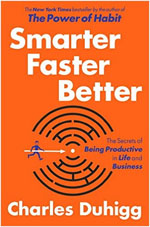 Unfortunately, our regular jobs rarely come with scoreboards. Lacking that immediate feedback, it can be challenging to know if you daily work is making a difference. Wouldn’t it be nice to have a scoreboard of your own to measure progress? There is a way to create one – write down SMART Goals.
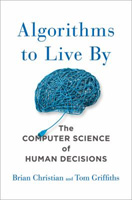 In order to discover new and exciting things in life, we have to be willing to explore options. This will naturally result in some failures, but the treasures out there waiting to be discovered can be worth the effort. However, once we have found a great resource it is tempting to keeping going back to the well to get as much of it as possible. In the book,
  If you enjoyed reading Malcolm bestselling books like I did, then this is a podcast for you. As described on the web site: “He has explored how ideas spread in the
  Years ago I was a certified yoga teacher in the Kripalu tradition. I was drawn to yoga as a way to find centering, peace, and health in my life. Perhaps one of the reasons that GTD has always connected for me is that it takes the ancient wisdom from the mountaintop and brings it straight to the modern office. I recently came across this great quote from a Raja Yoga school of wisdom that clearly demonstrates the reason why it is important to get things out of your head and to bring them to completion in a timely manner.
 Efficient Librarian