
Are all productivity techniques designed to speed up your daily work?
Most people who engage with approaches like Getting Things Done want to complete more items in less time. Whether it is whipping through emails, checking off to-do lists, or flying through meetings, the desire work at a rapid pace is enticing. However, is moving faster actually the path to long term success?
GTD creator David Allen mused on the subject in a recent post on the Getting Things Done website. He opens with this statement:
I want to talk about one of the more mysterious best practices in the GTD® methodology: the art of speeding up by slowing down.
I am making the assumption that all of you reading this are on some track of improvement and growth to begin with. I mean, why speed up, instead of slow down, as an end-result?
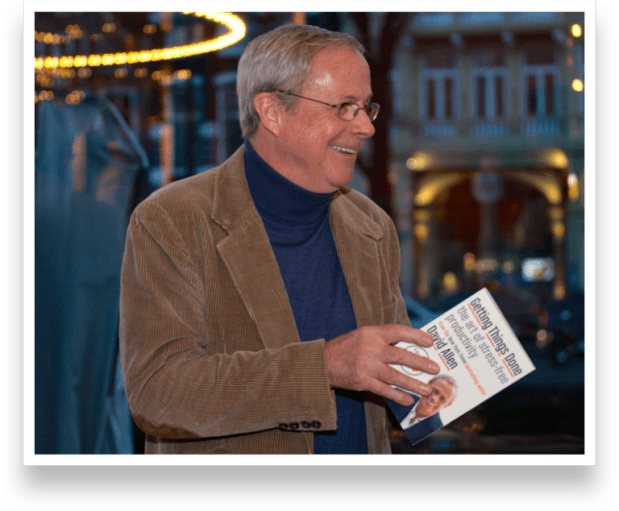
As Allen unpacks his argument, he shows that the idea of speed as the path to productivity ultimately proves self-defeating. The problem he sees is repeatedly doing many things of little value jeopardizes long term success.
One of the subtlest ways that positive energy retreats from us is in our busy-ness. Losing perspective in trying to control everything, finish it all, fix it all—all at once. It shows up in ways like practicing Getting Things Done® out of frustration instead of inspiration, or helping yourself and others out of compulsion, not compassion.
For those who have not practiced GTD, Allen’s counter-intuitive conclusion may seem confusing. Yet, when considered more fully, the practice is not about getting everything done. Instead, it is knowing what is truly valuable and giving that priority. This approached alleviates the stress of busy-ness and induces a state of calmness. Allen states:
As a matter of fact, your ability to do nothing—to be idle, to daydream, to nap peacefully, to give yourself permission for 100% zoning out—is a hallmark of GTD maturity. And if you don’t believe me, just read the plethora of new data from the cognitive scientists about the need for the brain to rest—daily. That’s a bit tough to do, though, unless you’re REALLY onto the GTD game.
To understand better how slowing down will help you get important things done, feel free to read the full blog post on the Getting Things Done website.

