
A few weeks back I reported on the first phase of an important study. The REALM Project is a partnership between the Columbus Metropolitan Library, OCLC, and the Battelle research labs. In the first round of testing five types of library items were studied to determine how long the virus lasts on these surfaces. According to the result of the first phase of the study: “Results show that the SARS-CoV-2 virus was not detectable on the materials after three days of quarantine.”
Last week the REALM Project released phase two of the study, this time looking at five more library items including:
*Braille paper pages
*Glossy paper pages from a coffee table book
*Magazine pages
*Children’s board book
*Archival folders
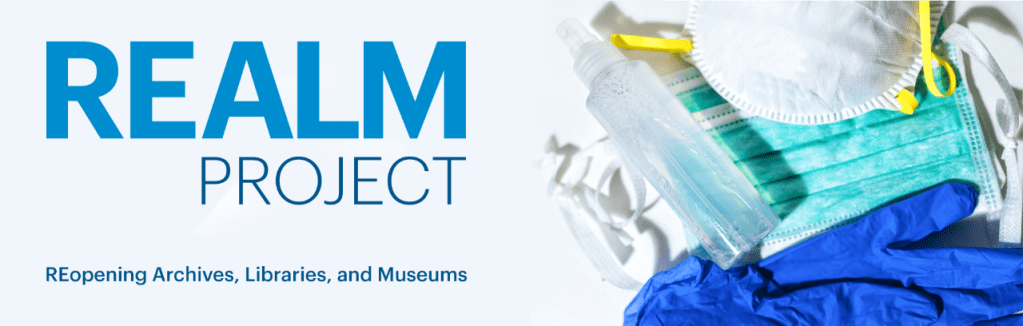
The findings were similar to the phase one results.
Results show that after two days of quarantine in a stacked configuration, the SARS-CoV-2 virus was not detectable on the archival folders.
After four days of quarantine in their stacked configuration, the virus was not detectable on the braille pages, glossy book pages, and board book.
The magazine pages showed a trace amount of virus at four days. Day four was the final time point tested.
These results continue to support the practice of quarantining library materials for at least three days. Download the full phase two report to learn more about the study and its findings.


 As a librarian, I am sometimes asked why we still have public libraries. Those who ask the question assume the Internet has made libraries obsolete, and besides, they believe no one goes to them anymore anyway. After resting the urge to slap them, I quickly set about correcting the error of their ways and share why libraries matter as much today as at anytime in their history.
 Does anyone like overdue fines? Library members hate paying them, the staff dislike collecting them, and do they even work to get people to return items on time?
 “This embargo would limit libraries’ ability to provide access to information for all. It particularly harms library patrons with disabilities or learning issues. One of the great things about eBooks is that they can become large-print books with only a few clicks, and most eBook readers offer fonts and line spacing that make reading easier for people who have dyslexia or other visual challenges. Because portable devices are light and easy to hold, eBooks are easier to use for some people who have physical disabilities.
 Efficient Librarian