
Half the game of productivity and efficiency is the ability to focus on the job at hand. When we get distracted, it takes time for the mind to return to the previous task. Unfortunately, we can be our own worst enemy by creating self inflicted distractions. For example, if you are an Outlook user there is one distraction that is robbing your efficiency throughout the day and you may not even be aware of it. I am speaking of the new email desktop alert. This seemingly friendly window pops up in the bottom right corner of the screen, alerting you to an new message when Outlook is open. This happens even when you are working in another program. Like a Pavlovian dog, it tricks the mind into jumping to Outlook to view the new message even if it is not important, sabotaging your work flow.
Two years ago I realized that the 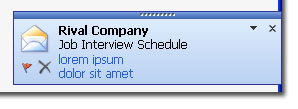 desktop email alert was a subtle yet significant distraction to my workflow. So I shut it off and found it made a world of difference to my efficiency. So go ahead, shut yours off too. Visit this Office support page to learn how: https://support.office.com/en-us/article/Turn-Desktop-Alerts-on-or-off-a83fe224-3109-4de0-a1ab-c33fd103a422
 may have already discovered that your head is a crappy office space. David Allen often says that if you have something saved only in your head, you are going to give it far more attention then it deserves. Our mind can only effectively hold onto one item at a time in its conscious memory. Once something new comes to its attention, the odds are your mind will drop the previous item. This creates huge inefficiencies and potential ticking time bombs if the item that was lost has the potential to blow up later.
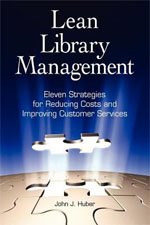 Lean Management, which began as the Toyota Production System, is a set of techniques that aims to improve any system into a quicker and more accurate one with less waste. Simply put, lean means creating more value for customers with fewer resources. It does so by empowering those who work at the front lines with decision making power while coordinating improvement opportunities across a department. While reading the book, I made many connections between this technique and GTD.
 between David Allen and Tiago Forte. While I am deeply familiar with the former, the latter was a new voice whose ideas on productivity caught my attention.
 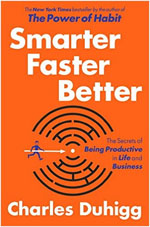 traits are common to effective and efficient teams. He found that Google was asking this same question and had a research team study their employees to find the answer. Based on their research, the Google team identified these five key aspects of an effective team.
 Efficient Librarian