
There are many methods and techniques to become organized at home and work. The list is long and includes GTD, Building a Second Brain, KonMari, and many others. However, have you ever thought that the gains made by these approaches are only illusionary? Perhaps they are all simply feel-good methods that work for a short time and then fade away? In short, is there any science to back up the claims of these systems?
In a blog post on the revamped Getting Things Done web site, David Allen provides a brief overview to explain why methods like GTD have an impact that relates directly to cognitive science.
“Recent cognitive science research shows that the number of things you can mentally prioritize, manage, retain, and recall is . . . (hold on) . . . four! If you park any more than that in your head, you will sub-optimize your cognitive functioning. You will be driven by whatever is latest and loudest—rather than by strategy, intuition, or objective assessment.”
Read the rest of David’s thoughts along with his book suggestions on the Getting Things Done blog.


 I’m happy to share that
 Do you have something you want to throw away, but don’t want to simply put it in the trash? Our belongings are varied and the method of sending them along to a new destination can be as well. Some things may be worthy of resale, others might be suitable to give away, or perhaps you are uncertain if it can be recycled? A little block like this in the process of clearing a space can cause the discard project to stall.
 We all know that Rome was not built in a day, but can a second brain be built in a seven hour workshop?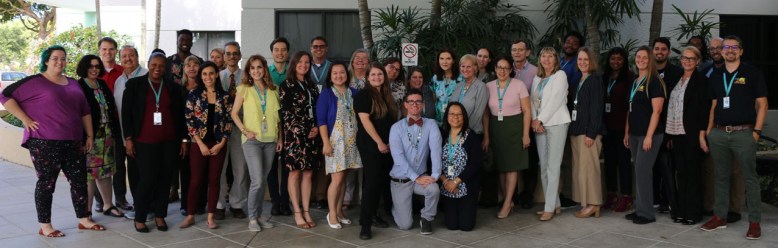

 Will a new iPhone make you more productive? Perhaps the latest app can keep you on track to complete projects? Is a digital calendar more effective than an old fashioned paper one? With the constant cycle of technology there is always a new tool or software version coming out that promises to improve our efficiency and make life easier. However, is this promise simply untenable?
 Efficient Librarian