
Have you ever said to yourself that you need to get organized?
It is common for people after looking at the mess covering their desks to want better organization in their spaces. However, very few stop to ask an important question: what does it mean to be organized?
Does it require fancy software? Do you need high priced planners and office supplies? Does it mean throwing everything out and keeping almost nothing? Or none of the above?
Not surprisingly, David Allen of Getting Things Done fame has thought deeply about what it means to be organized. He even has a simple definition which he shared in a recent article on the GTD website.
You are disorganized if you need something somewhere that you don’t have or have something somewhere that you don’t need.
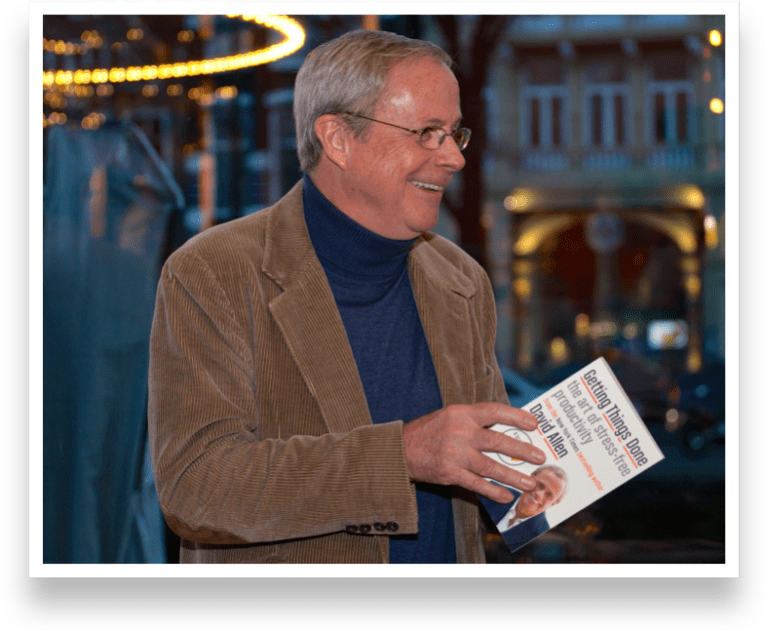
David then shares a fun challenge that he does with audiences.
An exercise I’ve done in my seminars is to have everyone reach into their purses or wallets and get something that doesn’t belong there permanently, and which has been there longer than a few hours (besides money). Almost all have at least one thing in that category—a receipt, a business card, a scrap of paper with scribbled notes, an old parking ticket. These are things whose location does not map to their meaning to the person who has them. If the item has no further usefulness, it is trash, but it’s not in the trash. Often it is something they need to store somewhere else—it is reference, but it’s not appropriately accessible as such. Sometimes it’s something that they need to do something about, but it is not in a place to remind them to do it. There is lack of coherence between what the thing is and where it is.
So how does one decide what items should go where? David created a cheat list to decide what to do with any item. Here are a few examples.
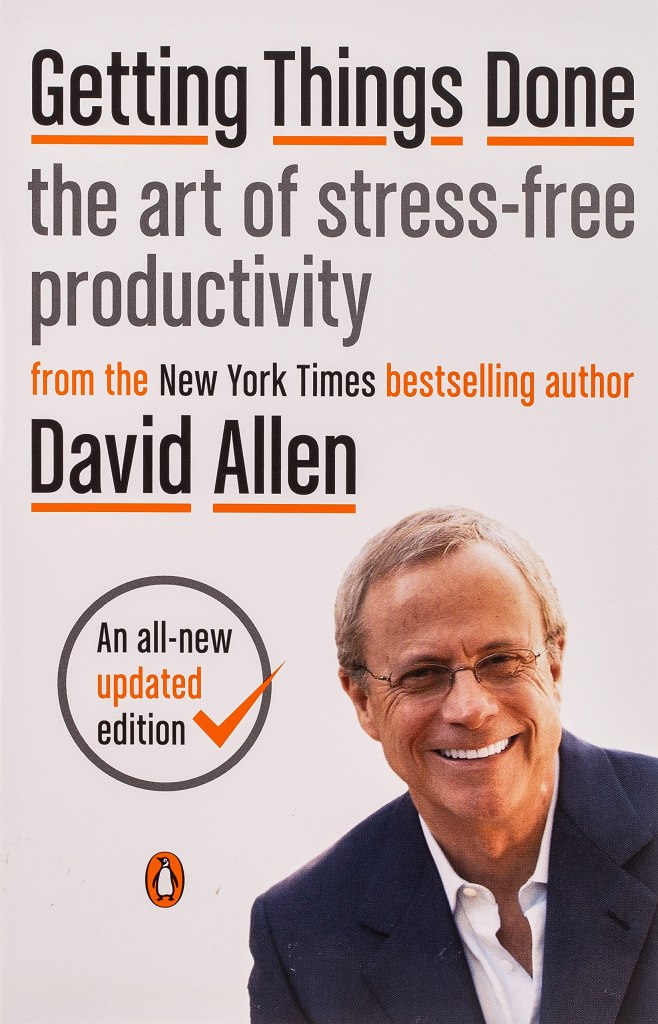
- I don’t need or want it = trash
- I still need to decide what this means to me = in-tray item
- I might need to know this information = reference
- I use it = equipment and supplies
To see the rest of the list, please read the entire article on the Getting Things Done website.
 Efficient Librarian