“Hot Sauce” Applause

I’ve noticed a new pandemic sweeping the nation. Don’t worry, it is not necessary to break out those old facemasks from storage, nor hunt for a vaccine. This particular problem is one of energy, not biology. It is the trend towards “weak sauce” applause.

Watch carefully next time you attend an event or gala. When it is time to applaud a speaker, the results are often underwhelming. A “weak sauce” applause that has no flavor. Clapping that dies before the speaker has even taken the stage. It is one that reveals people are more interested in scrolling their phones or catching a quick snooze than acknowledging the person at the front of the room. “Weak sauce” applause lacks enthusiasm, turning any potential gourmet event into a bland fast-food combo.

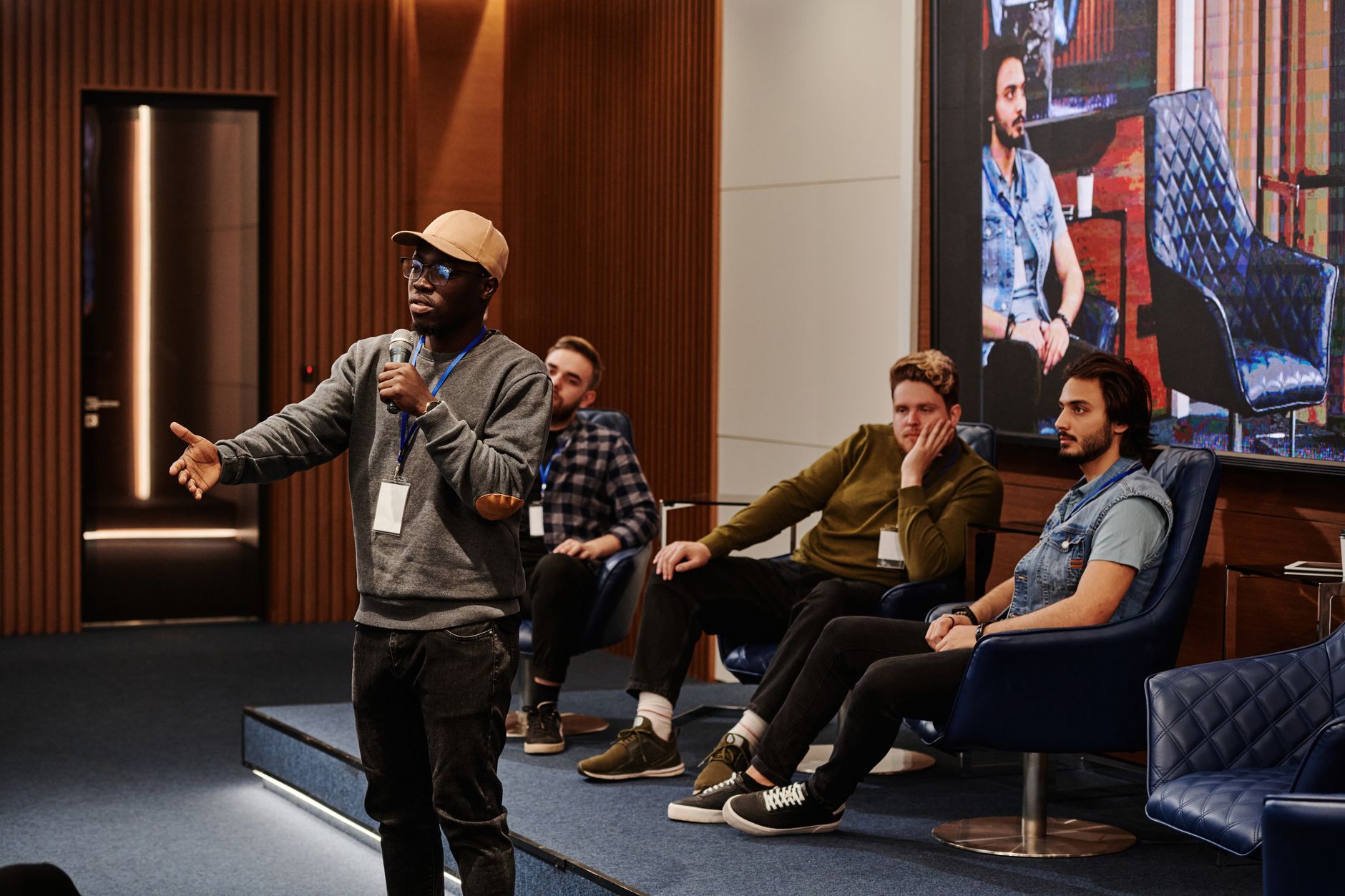
At a recent Toastmasters Learning Institute, I gave a short keynote to raise awareness about the pandemic of “weak sauce” applause. To combat this worrying trend, I advocated for the audience to follow the lead of chef Emeril Lagasse and “kick it up a notch”. Let’s turn “weak sauce” into a “hot sauce” applause!

Photo by Dominik Gryzbon on Pexels.com

Why is this important? It has to do with the power of applause. We clap our hands for many reasons. Two big ones are to show respect for the speaker and to recognize the hard work it takes to stand at center stage. “Hot sauce” applause bring energy to a proceeding. It fires up both the crowd and the speaker. It adds spice to what could otherwise be a dreary dish.

Even more enticing, “hot sauce” applause makes any event more enjoyable. When fun enters the equation, learning becomes easier. Learning requires energy and “hot sauce” applause brings that in heaping dollops.

Therefore, I challenge you to put this into practice. The next time you are at an event, bring on the “hot sauce” applause. Clap loudly. Clap long. Give the speaker your full attention. Then watch the proceedings grow more exciting and more inviting as the fun kicks up several notches.

A dash of “hot sauce” applause brings excitement to any event.

Some Sort of Blog Post

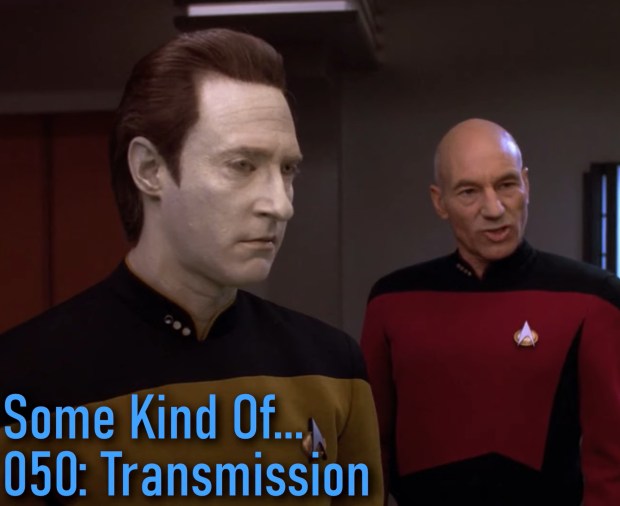
I love Star Trek. My first experience as a teenager was watching The Next Generation. Later on, my favorite series became Deep Space Nine, although the animated Lower Decks now comes in a close second. After watching countless episodes, one particular quirk came to my attention. It was an odd turn of phrase that keeps popping up across the series. It goes like this:

  • There is some sort of spaceship on the sensors.
  • The patient has been exposed to some sort of alien virus.
  • It appears to be some sort of communication device.

The phrase “some sort” or its variant “some kind” shows up in almost every Star Trek episode. Don’t believe me? Watch this YouTube compellation of all the times it is said in the Next Generation!

My beef with this phrase is that it adds nothing to the discussion. Saying something is “some kind of” is an example of a pleonasm. This occurs when a speaker or writer adds words that convey no extra value. For example, when Johnny Cash sang of a “burning ring of fire” he was using a pleonasm. After all, fire by its nature is burning. Another example is a “free gift.” A gift by its very nature is free! In Star Trek, the statement “some kind of spaceship” is pointless. One can just say it is a spaceship and be done with it!

Why do I bring this up? In order to improve our speaking and writing skills, identifying unnecessary words is a helpful process to master. Eliminating words that fail to add value is a way to develop effective and efficient communication.

In the Star Trek example, the constant use of “some sort” is meant to convey a sense of mystery regarding the item observed. However, in my opinion it lacks value. How could these statements be improved? Here are suggestions:

  • There is a scout class ship on the sensors.
  • The patient has been exposed to a illness similar to Klingon virus.
  • It is an ancient short range communication device.

Here is your challenge if you wish to take it. Next time you draft a speech review your word choices. You may find “some sort” of pleonasm of your own to iron out.

Until the next post, as the Vulcan’s say, live long and prosper!

A Power Public Speaking Tool

When we think about great public speakers, we often focus on what they say. From “I Have a Dream” to “Four Score and Seven Years Ago” history’s orators spent many hours searching for the perfect words to highlight their message. However, the content of speeches, while important, can be easily overshadowed by poor delivery. Speaking too quickly or packing too much information into a speech can deaden its appeal.

Paradoxically, the most powerful part of any speech may be the moments of deliberate silence. The strategic pause is an underutilized public speaking tool; despite the many useful roles it can serve for a speaker to connect with the audience.

In a recent article on the Enthusziastic website titled, The Power of Pauses in Public Speaking, the authors share why people need to add more moments of silence to their speeches. They open the article with this statement:

We rush through sentences trying to sound confident, sharp, and impressive. But in that speed, something important gets lost, the emotion behind the words. And in public speaking, that loss is costly. The truth is simple: the most impactful public speakers aren’t the ones who speak the fastest; they’re the ones who know exactly when to stop.

Photo by Kerim Isazade on Pexels.com

Strategic pauses can be used to accomplish many goals.

A pause allows important points to sink into the audience’s minds.

A pause slows down delivery to combat nerves that lead to fast speaking.

A pause signals authority, as it shows the speaker is confident enough to embrace silence as they command the stage.

Additionally, the authors share that a pause deepens emotional connection.

A pause is not just a technique, it is an emotional doorway. It is the moment when your message stops being noise and starts becoming truth. In public speaking, that shift is everything. Words might fill the air, but pauses fill the heart. When you pause at the right moment, you give your audience a gift, the space to feel. And that space is rare in today’s world. We live fast, we listen fast, we respond fast. But we feel slowly. Emotion needs room. It needs stillness. It needs silence.

Mastering the pause is an excellent way to improve public speaking skills. To learn more about the power of pause and the many ways to deploy it, please read the rest of the article on the Enthusziastic website.