
Lost in the midst of this global health crisis was a major step back by Macmillan Publishers. Last year, the publisher introduced a controversial eBook embargo policy that limited public libraries to only one copy of a title for the first eight weeks after publication, no matter how large the library system. This policy provoked anger throughout the nation, resulting in some library system’s boycotting Macmillan eBooks entirely.
On March 17, Macmillan surprised everyone by suddenly reversing the policy. In a statement, CEO John Sargent spoke to the library community.

“There are times in life when differences should be put aside. Effective on Friday (or whenever thereafter our wholesalers can effect the change), Macmillan will return to the library e-book pricing model that was in effect on October 31st, 2019. In addition, we will be lowering some e-book prices on a short term basis to help expand libraries collections in these difficult times. Stay safe.”
Library organizations across the nation were happy with the news.
“This is extraordinarily welcome news in an unprecedented time,” said ALA Senior Director for Public Policy & Government Relations ALA Inouye. “Equitable access to digital content is more important than ever as libraries continue to serve their communities amid rapidly changing circumstances. Macmillan’s return to its original lending terms signals a new starting point for all publishers to consider how they can work with libraries to ensure—and expand—access for all readers. ALA looks forward to working with publishers to make that happen.”
Read more at the Publisher’s Weekly website.


 I love reading and listening to the works of

 Does anyone like overdue fines? Library members hate paying them, the staff dislike collecting them, and do they even work to get people to return items on time?
 “This embargo would limit libraries’ ability to provide access to information for all. It particularly harms library patrons with disabilities or learning issues. One of the great things about eBooks is that they can become large-print books with only a few clicks, and most eBook readers offer fonts and line spacing that make reading easier for people who have dyslexia or other visual challenges. Because portable devices are light and easy to hold, eBooks are easier to use for some people who have physical disabilities.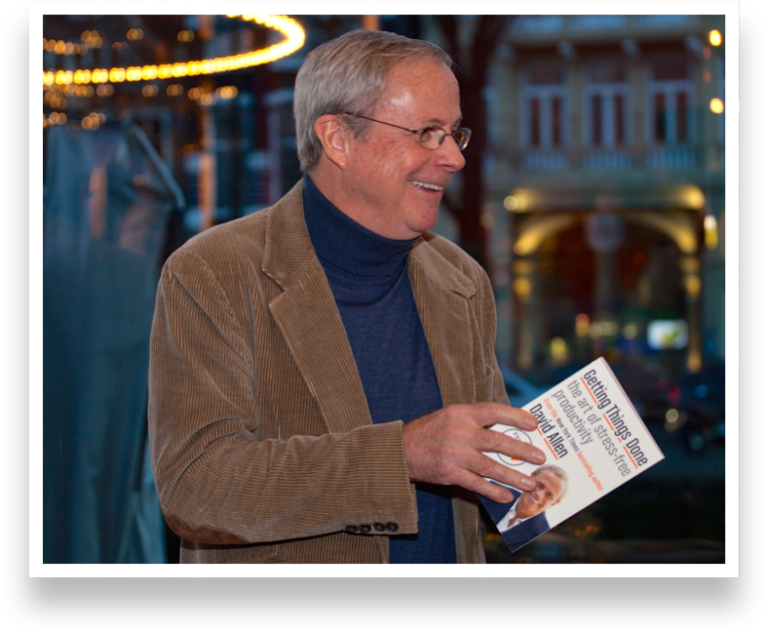
 Efficient Librarian