Upcoming Efficient Librarian Webinars

I’m delighted to share that five Efficient Librarian webinars are scheduled through August and September. Over the course of the different webinars, I’ll be sharing tips and techniques on topics such as clearing your inbox, managing employees, and the rewards and challenges of leadership.

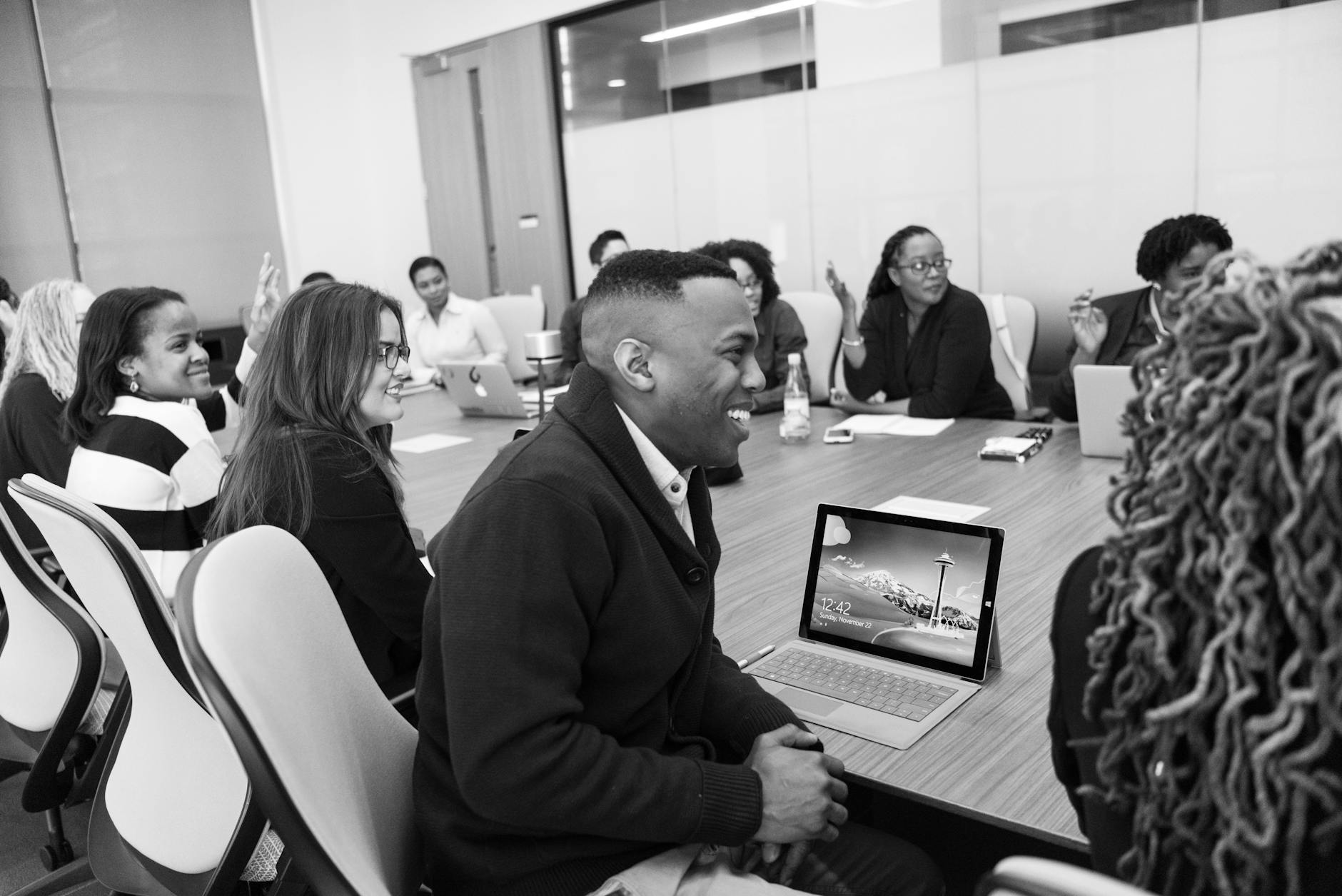
Photo by Diva Plavalaguna on Pexels.com

To learn more about each webinar, please click through to the sponsoring organization. The great news is that the PLAN webinars are free to all Florida library staff.

August 21, 3 pm (EST)
Overcoming the Email Avalanche: Three Steps to an Empty Inbox
PLAN Webinar

September 3, 2:30 pm (EST)
Managing Employee Performance Using the SBI Method
ALA Webinars

September 4, 3 pm (EST)
Leadership: Challenges and Rewards
PLAN Webinar

September 17, 3 pm (EST)
Developing Motivated Cultures: Six Simple Factors that Shape Your Organization
PLAN Webinar

September 21, 3 pm (EST)
Managing Employee Performance: A Simple Formula for Talking with Staff
PLAN Webinar

A big thank you to PLAN and ALA for inviting me to present. I look forward to seeing you at the webinars.

Who Should Attend?

Have you ever attended a meeting and wondered why you are there?

Sometimes people send out meeting invites across the entire organization on the assumption that many heads are best. However, more attendees often make a meeting less productive. An article from Flowtrace indicated that 35% of survey respondents believed that limited the number of people in the room was important for meeting success.

When participants start to believe the meeting is a waste of time, their engagement slips. This can lead to mildly disruptive behavior, such as looking at phones or side-conversations. At worst, it can rise to active disruption in the form of pointless argumentation or snide comments.

Image generated through WordPress AI Tool.

A cardinal rule of meetings is to invite as few people as possible, but enough to make the meeting effective. How should a meeting planner determine whom to invite? Here are a few parameters:

  • Does the meeting topic directly affect a potential attendee’s core job functions?
  • Are they directly responsible, or part of the team responsible, for the item discussed?
  • Will they carry out actions resulting from decisions made at the meeting?
  • Do they have specific expertise relating to the topic of the meeting?
  • Could a team leader attend in place of the whole team and report back?

For example, an early high level meeting to discuss the allocation of the materials selection budget could be attended by the division leaders, including collections, finance, and administration. A future meeting where the discussion reaches branch level allocations could be expanded to include the branch division head and specific managers who oversee special collections.

In addition, keep in mind that not all participants need to stay for the entire meeting. When someone is done with their portion of the meeting, allow them to exit if feasible. To that end, it is helpful to organize the meeting agenda to enable participants with limited roles to have their items discussed early so they can leave to resume their regular duties.

Remember, employees work time is valuable. Don’t waste their contributions by obligating them to attend unnecessary meetings. They will appreciate it.

Habits of Success – Are They Real?

If you scroll long enough on any social media feed eventually a story will show up with a title like “The Top Ten Ways to be Successful” or “Emperor Caesar’s Habits for Success.” The gist of these articles is that copying the things successful people do will inevitably lead you to success too. But is that true?

According to Darious Foroux, copying the actions of seemingly successful people is no guarantee of success for yourself. In his article, Stop Imitating The Habits Of Successful People: It’s Killing You, he points out the main flaw with all these Internet advice pieces.

They always focus on the outcome. Not the process. Studying, learning, and stealing productive habits or tactics are all smart things to do. But that’s not what I’m talking about here. I talk about people who only focus on the outcome. I.e. success.

Also, everyone pretends that the word success has nothing to do with money and status. But that’s simply not true. When we talk about success, we all talk about getting rich. Just be honest.

For Foroux, success is not simply a matter of counting your money to keep score. Success is much more varied than that. He adds:

But let’s keep it real and not pretend that “only you can determine the definition of success,” and then talk about the habits of millionaires. 

Foroux then points out the flaw in the logic of copying the actions of notable people. It is simply that mindlessly following habits alone does very little to help us achieve our goals.

For instance, take waking up early. That’s always part of the lists of habits. But waking up is not a skill that does something. When you try to imitate a rich person who wakes up early, will you become rich by waking up early?

That’s why I find it odd that people try to imitate successful people. What’s the point? Even if you know the EXACT ingredients of success, it’s no good to you.

To hear what Foroux suggests instead, please visit his website to read the rest of his article.

Don’t Know the Reason for the Meeting? Then Don’t Meet!

Have you ever left a meeting with a variation of this question spinning in your head:

“What was the reason for that meeting?”

It is very easy to call a meeting, yet few people consider the organizational impact of these gatherings. By simple logic when people are meeting, they are not doing their regular work. If the meeting does not provide value by its end, the impact on the organization is negative in terms of time wasted and energies drained.

Here are three disheartening statistics found on the website Flowtrace.

  • 71% of meetings are considered unproductive by employees.
  • 45% of employees admitted to feeling overwhelmed by attending too many meetings.
  • An estimated $37 billion is lost annually in the U.S. due to inefficient meetings.
Photo by Yan Krukau on Pexels.com

Therefore, it is important to know the right time to call a meeting. Thankfully there is a simple way to determine if a meeting is unnecessary. It goes like this:

If you are unable to articulate the purpose of a meeting, then a meeting should not be called.

Without clarity of purpose, a meeting is destined to slip into a time sink of wasted words. A tool to get off on the right foot is to fill in the blank below with ten words or less:

The purpose of the meeting is ____________.

If you can’t spell out a clearly stated purpose that anyone in your organization can appreciate, then don’t hold the meeting. According to the Flowtrace article, 72% of survey respondents listed setting clear objectives as important for a successful meeting. Therefore, being clear on the purpose is key to making meetings more impactful and energizing.

So, what is the purpose of your next meeting?

Why You Should Join a Professional Organization

As we move towards the new year, many professional associations are reaching out to retain existing members and invite new people to join. In my case, I am a proud member of the American Library Association, the Public Library Association, CORE, the Florida Library Association, and the Palm Beach County Library Association.

Some people resist joining an association because they don’t see the value in spending money on the membership. However, there are many great reasons to join a professional association and take full advantage of their offerings.

Photo by Christina Morillo on Pexels.com

Here’s my top seven reasons to join a professional association.

Networking Opportunities: Professional associations host events, conferences, and online platforms that allow members to connect with their peers. Access to a community of like-minded professionals fosters collaboration and an exchange of ideas.

Career Advancement: Many associations have job boards, recruitment events, or exclusive listings that help members find new work opportunities. Also, associations provide access to training programs, certifications, and workshops that enhance skills and share new ideas.

Industry Knowledge and Resources: Many professional associations publish journals, articles, and white papers that provide insights into trends and research findings. Members also have access to webinars and speaking events to hear from leaders in the profession.

Credibility and Recognition: Being part of an association can boost member’s credibility and establish them as a respected professional. Many associations set standards and ethical guidelines, helping ensure that members uphold expectations of quality and professionalism.

Advocacy and Influence: Professional associations often lobby for policies that benefit their members and industry. Being a member allows you to have a voice in these advocacy efforts. Some associations offer legal support or resources on hot topic issues.

Leadership Opportunities: Volunteering for committees, boards, or events within the association can develop leadership abilities and help members stand out. This is especially helpful for those who are seeking supervisory experience to improve their resume.

Support and Mentorship: Associations often offer formal mentorship programs that connect less experienced professionals with leaders in their field. Having a network of people in similar positions can provide advice, support, and insight into career challenges.

Give yourself the gift of professional growth by joining an association today. For library workers and supporters, both FLA and ALA lowered their membership rates this year. So now is the perfect time to invest in yourself.

Three Reasons to Call a Meeting

You may have heard the not so old saying: “That was another meeting that could have been an email.”

People detest meetings when they feel unproductive. This is especially true when the reason for calling the meeting is unclear. Based on my experience, there are three major reasons to call a meeting that will keep participants engaged and come to productive conclusions.

1/ Sharing Important Information

Sharing information is a base-line function of all meetings. However, face-to-face is very useful for these types of situations:

  • Sharing Important/Timely News – Sometimes breaking news must be shared with everyone together at the same time. For example, when an organization is set to issue a controversial press release a quick all hands-on deck meeting may be the fastest way to inform the team in advance and at the same time.
  • Immediate Q&A – Instead of letting confusion linger, questions about an important or complicated topic can be quickly addressed in a face-to-face meeting. Answers are heard by the entire team at the same time, avoiding repetition.
  • The “Look Them in the Eyes” Factor – Whenever there is bad or sad news to share or an apology
    to be issued, doing so in person conveys respect for the team.

2/ Making a Presentation

While presentation can be sent by email, something might be lost without a presenter to emphasize or clarify items. Presenting in person can improve comprehension and increase engagement in the material. Types of presentations best suited for face-to-face meetings include:

  • Complicated Items – Presentations can break down complex subjects for easier understanding. In a live situation, the presenter can adjust on the fly to match audience’s perceived understanding and level of engagement.
  • Clear up Misunderstandings – Presenters can address questions as they come up, allowing the whole group to benefit while the topic is fresh in their minds.
  • Swaying Opinion – If people need to be convinced on a course of action, face-to-face “sales” type
    presentations are preferred. In this format, a presenter is able to access a wide range of public speaking tools to make their case for a course of action.

3/ Facilitating Discussion

Bringing people together creates an opportunity to dive deeply into a topic that non-
synchronized formats cannot duplicate. Talking together in the same room can be very stimulating and help build up a team. Examples of meetings designed for discussion include:

  • Problem Solving – Coming together in person is often the fastest way to solve a problem. Teammates share different viewpoints and build on each other’s ideas. This can develop innovative ways to resolve issues that could not be thought of individually.
  • Strategic Visioning – Bringing together people from different parts of the organization for long-
    range planning meeting is a beneficial exercise. Small-scale, in-person discussions can surface facts or concerns from across the organization.
  • Finding Consensus – When a critical decision must be made, face-to-face discussions can be
    the fastest way to get the team into agreement. An open discussion allows all parties to share
    their concerns and increase the potential to come to a meaningful decision.

If you are considering calling a meeting think about whether it falls into one of these three reasons. Otherwise, start drafting that email.

The Top 20 Leadership Challenges

Leadership is like a constantly changing game. To be successful a leader must take into account factors such as personalities, environment, politics, demographics and trends. This is especially true for a leaders who wants to stay strong over time as they promote up through an organization.

The Center for Creative Leadership was founded to study effective strategies and tactics for leaderships in a scientific approach. A decade ago, I had the opportunity to attend their weeklong signature Leadership Development Program. It gave me valuable insights into my leadership style that have stayed with me to this day.

Recently, they released an article on their website titled The Top 20 Leadership Challenges. The article broke down leadership across four levels: frontline, middle, senior, and executive. Five challenges were identified for each level. At the frontline level, the first challenge was around frustrations with people and time.

Many frontline managers reported that their top leadership issue is feeling overwhelmed with inefficiencies and frustrated with others. This includes challenges with offering guidance to direct reports, overcoming resistance to change, dealing with difficult employees, and adjusting communication and feedback styles to collaborate more effectively with different people. And again, this appears to have become an even bigger concern for leaders at this level since the pandemic.

Moving up to the middle manager level, the first challenge had to do with personal limitations.

A top challenge for leaders at this level is their own personal limitations and feelings of inadequacy, as they often must overcome their own doubts about their abilities and readiness to lead — as well as the doubts of their peers or supervisors. Dealing with the challenge of personal limitations requires overcoming impostor syndrome, humility to seek the input of others, courage to do the right thing, and projecting confidence while communicating effectively.

Since the pandemic, mid-level managers have reported this as an issue even more frequently. With new cultures brought on by remote and hybrid workplaces, overcoming common limitations in order to make an impact as a leader has become even more challenging.

To learn about the other 18 leadership challenges, please read the entire article on the Center for Creative Leadership’s website.

Things Great Leaders Do Differently

Developing leadership skills is a lifetime commitment. While anyone can be placed in a leadership position, it takes practice and a bit of talent to excel at it. Therefore, it can be helpful to study the habits and techniques of great leaders to see how they operate.

Author Kevin Kruse was able to do that and published his findings in an article on the Forbes website entitled 10 Surprising Things Successful Leaders Do Differently. The first discovery on the list seems to flip a popular piece of advice on its head: Close the Open Door Policy.

Open door policies are passive ways to facilitate communication and do more harm than good. They make deep work and strategic thinking virtually impossible for the manager. Worse, research shows that half of all employees won’t go through the open door with problems or ideas because they fear repercussions. It’s time to close your door and open your calendar. Recurring, weekly one-on-one meetings are a far better way to proactively facilitate communication, and pre-scheduled “office hours.”

Photo by fauxels on Pexels.com

Another common perception that Kruse challenges is the idea of treating everyone the same. Instead, he believes that great leaders have favorites and treat them differently.

In a misguided attempt to be impartial and fair, too many managers treat all their team members the same. But it turns out that’s the most unfair thing we can do to people. And it’s the fastest way for you to lose top talent. Instead of treating everyone alike, you need to learn to individualize your leadership approach. You need to take the time to understand each of our team members when it comes to their: talent, experience, attitudes, strengths and goals. Then you play favorites, not based on who you like better, but based on who’s earned it.

To learn the other eight surprising things that successful leaders do differently, read the article on the Forbes website.

Disney Magic @ the Library – An Interview with James Songster, Sue Schank, & Barbara Blake

How can we develop better leaders, improve organizational culture, and create better teams? Perhaps it can happen through magic, that is Disney Magic!

Over its history, the Walt Disney Corporation has produced world-class effective leaders, highly creative and energetic teams, and a lasting culture of performance. In fact, the company has a teaching arm called The Disney Institute, which teaches the secrets of the company that have been discovered over many decades.

Recently I interviewed three former long-term employees of The Disney Institute to learn more about their experiences. Also, we discussed how they are bringing these best practices to libraries across Florida. The Better Leadership team includes James Songster, Sue Schank and Barbara Blake. In a wide-ranging interview, I asked them about their views on leadership, teamwork, and building a powerful culture. Below is an excerpt from the interview.

Doug: What were the key aspects for a successful teamwork and how you trained other people on how to build those key aspects of successful teamwork?

James:  My leaders were able to bring in people that were already in the right mindset. A big part of our philosophy was to choose for the mindset that complements our team and then teach skills, as opposed to somebody’s who’s got this great skill set and now we have to shape their mindset. I think another huge key factor was the way we benefited from being in an environment where we had an amazing collection of differences. We valued and craved diversity because we want as many different ideas, backgrounds and thoughts as we can. It’s a strategic advantage that is complementary to our mission. It gave us a greater ability to serve the clients.

Barbara:  In order to serve our education audience, we created a unique and diverse labor strategy.  In the 8-month season in which we offered our educational programs, we led close to 200 facilitators.  We utilized college interns for a semester experience, part-time staff and we “borrowed” staff from around Walt Disney World to teach our programs.  In this way, we were able to gain an immense range of diversity in our facilitation team.  To manage all these diverse cast members, we needed them to buy into our mission and vision.  They needed to know how to best represent The Disney Company to our audience!  The key to having a staff attuned to the same mission is on-going, effective communication.  All our staff were aware of our mission and values before joining the team, and were then given training to insure they also exemplified those values with every guest group they led.

Sue: I would have our trainer team instill to our trainees that everyone was there because they showed such enormous potential. Every single one was deserving of respect all the way around. It was vitally important that we respected each other. We knew everybody was different as we purposely hired a diverse team, but we respected those differences and respected those people. The talents and the gifts they brought to us were critical for me.

Read the entire interview on the Efficient Librarian website.