
 How would you like to hear a succinct, yet detailed overview of the whole Getting Things Done methodology as told by the man himself, David Allen?
In a recent two part podcast on the Getting Things Done web site you can listen to David give a keynote address. As the podcast advertises:
“David Allen shares an in-depth, sweeping overview of GTD® to an audience in Milan, Italy. Learn best practices, as well as what you can expect to have happen in your life once you start applying them.”
Part one is available here: http://gettingthingsdone.com/2017/05/episode-29-david-allen-gtd-keynote-in-milan-part-one/
Part two is available here: http://gettingthingsdone.com/2017/05/episode-30-david-allen-gtd-keynote-in-milan-part-two/
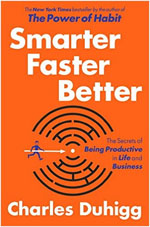 Unfortunately, our regular jobs rarely come with scoreboards. Lacking that immediate feedback, it can be challenging to know if you daily work is making a difference. Wouldn’t it be nice to have a scoreboard of your own to measure progress? There is a way to create one – write down SMART Goals.
 Given how much time we spend at work every week, it is natural to dream about our next vacation. However, vacations can quickly turn into a work week experienced outside the office if not careful. On the Getting Things Done blog, a person recently submitted the following question:
 Are you new to productivity and efficiency work and need help getting started? Or perhaps you have worked at this process in the past, but need new inspiration to keep going? The Getting Things Done blog recently posted ten great tips for success with their methodology.
 Many time management systems instruct people to set up priorities. The catch is that our top priorities may take longer than the small spaces of time that open up to us during the day. In his most recent blog post, David Allen discusses how to most effectively use the weird windows of opportunity we have every day to get things done.
 “What does it mean to be organized? It used to be the definition was clean and neat. You know the offices–you walk in the door and it looks likes no one works there. The desk has nothing on it, except for a cool object and a photo. Is this what being organized really means?
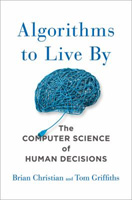 Optimal stopping : when to stop looking
